Post originally written August 2019
In Indianapolis, IN, a man began what he believed was a meaningful relationship with a woman he met online. The two messaged for months, building what felt like real trust. Over time, he sent her about $80,000, only to later discover that she didn’t exist. He had been targeted by what’s known as a romance scam, one of today’s most financially and emotionally devastating forms of online fraud.
Stories like this are increasingly common. While many people assume that only older adults fall for scams, the truth is very different: anyone, regardless of age, education level, or technical skill, can be manipulated by highly sophisticated criminals. Especially with today’s AI technologies, scams are more convincing, more personalized, and more technologically advanced than ever before.
According to the FBI’s most recent Internet Crime Report, Americans lost over $12.5 billion to online scams in 2023, with individuals in their 20s and 30s reporting scams more frequently than seniors, though older adults tend to lose larger amounts per incident. No one is immune.
Why Scams Occur
Scams are so prevalent because online scammers are very strategic. They know how to exploit human emotions, mimic legitimate companies, and use real data from social media to make their schemes believable.
Common factors that make people vulnerable include:
- Isolation and loneliness
- Emotional manipulation
- Busy lifestyles and multitasking
- Trust in familiar logos or messages
- Lack of awareness about current threats
- Data breaches that expose personal info
In other words, scams occur because scammers rely on psychology to succeed, not intelligence level or age.
Common Online Scams
1. Phishing & Email Scams
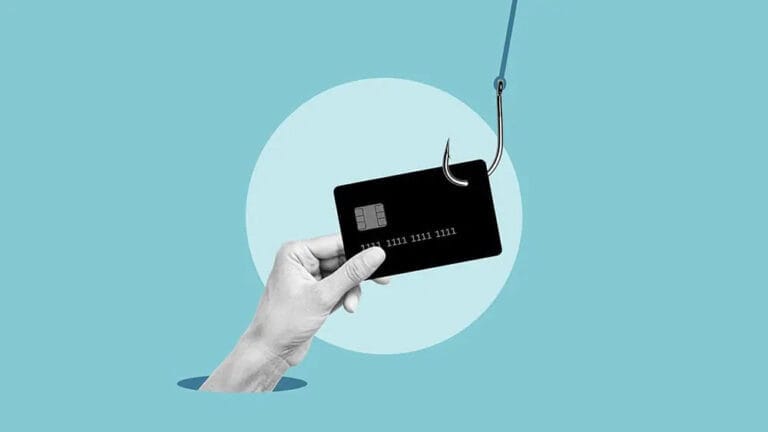
Still one of the most widespread online threats, phishing scams involve emails or messages designed to trick users into giving up personal information or login credentials.
Modern phishing has evolved to include:
- Fake login pages nearly identical to banks, streaming services, and retailers
- “Your package couldn’t be delivered” delivery-text scams
- “Suspicious sign-in attempt” notices impersonating tech companies
- AI-generated emails with flawless grammar
Once scammers have login information, they can access your accounts, steal your money, or sell your data. This is why phishing and email scams continue to account for some of the most common online scams.
2. Tech Support Scams

Tech support scams often begin with a phone call, pop-up, or email claiming your device has a virus or security issue.
Tactics include:
- Asking you to install remote-access software
- Directing you to a fake customer support number
- Delivering malware disguised as security tools
Once inside your device, scammers can access files, log keystrokes, or reach your financial accounts. Be wary of tech support scams, especially if you didn’t do anything to initiate the contact.
3. Online Romance Scams
Romance scams have surged, thanks to social media, dating apps, and AI-generated photos or identities. As in the case of the Indianapolis man earlier, scammers spend weeks or months building emotional trust before requesting money for:
- Emergencies
- Travel
- Medical bills
- Business opportunities
Using fake photos, deepfake videos, or stolen identities, scammers can seem entirely real. The rule still stands: never send money to someone you have not met in person and verified. Be hypervigilant for online romance scams, especially in cases of newer relationships.
4. Impersonation & “Fake Friend” Scams
Criminals using impersonation or fake friend scams may:
- Hack a friend’s social media profile
- Create a duplicate account
- Pretend to be someone you know
- Send messages requesting money or urgent help
In other cases, scammers take over email accounts and send malware-infected attachments. Some of these scams are felonies, and the impersonation scammers are true criminals.
5. Prize, Sweepstakes & “You’ve Won!” Scams
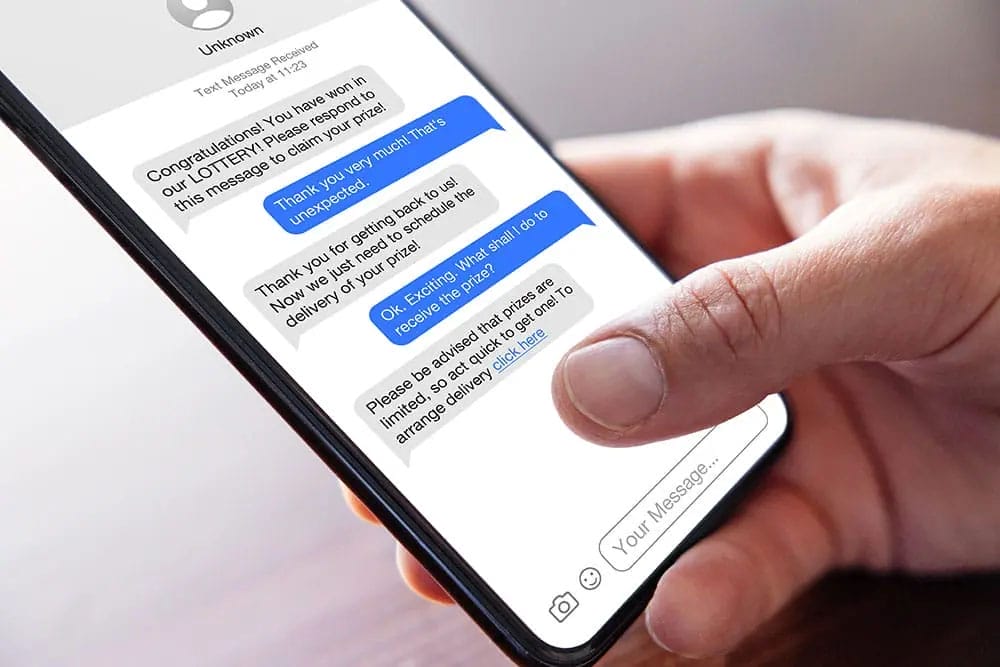
The excitement that prize, sweepstakes, or “you’ve won” scams generate can make supposed winners put down their guard. Victims are told they’ve won a prize, vacation, or cash but must pay a fee or deposit to claim it. The prize never arrives.
Modern versions include:
- Fake lottery emails
- “Free cruise” offers
- Social media contest scams
- Imposter giveaways pretending to be from celebrities or influencers
Don’t fall for prize, sweepstakes, or “you’ve won” scams. If you didn’t sign up to win anything, why are you being contacted? Legitimate contests don’t require up-front fees to claim prizes.
6. Online Shopping & Marketplace Scams
As online shopping grows, so do fraudulent stores and listings. Thousands of users purchase items from social media or other online sources every day. While well-known sites and stores are usually very credible and back up their promises, those you are unfamiliar with should be approached with caution.
Warning signs of online shopping and marketplace scams include:
- Prices that seem too good to be true
- No customer reviews (or very poor ones)
- No return policy
- Requests for payment via gift card, Zelle, Cash App, or wire transfer
- No street address for the company selling the product
Scammers have even been known to deliver an empty box to an unrelated address to show shipping “proof.” Some ways to protect against online shopping and marketplace scams are to always look up the website of the company you’d like to purchase from, see if it lists the street address, and look for return and other policies. Then, do a search on “[company name] reviews”. Small steps can prevent big headaches.
7. Charity & Crowdfunding Scams
Especially this time of year, charity and crowdfunding scams are very popular. Fraudsters set up fake charities or exploit current events like natural disasters, viral tragedies, or medical emergencies to solicit donations.
Always verify organizations before donating.
8. “Refund” or Compensation Scams
Refund or compensation scams are those that target people who’ve already been victimized. Criminals claim they can recover your lost money… for a fee. No legitimate organization will charge victims to get funds back that were lost via scamming. Avoid adding insult to injury by ignoring any promises to refund money you’ve already lost in a scam.
9. Fake News, Clickbait & Misinformation Scams

Some scams are designed to harvest ad revenue or manipulate public opinion. They’re called fake news, clickbait, or misinformation scams.
These sites use sensational headlines or impersonate real news outlets. Always verify unfamiliar sources before sharing. While you or those you share with might not personally experience a loss of funding, someone wants something from this sensationalism. Either the platform feeding the ads is making money off every click, and charging someone for that exposure, or an organization is trying to manipulate public opinion in a non-credible way.
When ads seem too sensational, resist the urge to click, and especially the urge to share.
How to Protect Yourself from Online Scams
Scams can’t be prevented 100%, but you can significantly reduce your risk:
- Strengthen your passwords. Use long, complex, unique passwords. A password manager can help maintain security without needing to remember everything.
- Use credit cards when shopping online. Credit cards offer better fraud protections than debit cards or payment apps.
- Never send money to someone you haven’t met in person. If someone pressures you to send funds urgently, slow down and verify.
- Monitor your financial accounts. Check statements regularly for unfamiliar transactions.
- Don’t share sensitive information. Never give out Social Security numbers, bank details, or verification codes to unverified sources.
- Check website security. Look for https at the beginning of the URL and the lock symbol in the browser bar.
- Install antivirus software and keep devices updated. Security updates patch vulnerabilities that scammers actively exploit.
- Be selective with what you share on social media. Criminals can piece together personal details like birthdays, addresses, and relatives from your posts.
- Research before you trust. Research companies, phone numbers, and email addresses.
Or call the company directly. If something feels off, it probably is.
What To Do If You’ve Been Scammed
Act quickly:
- Contact your bank or credit card company immediately.
- Change your passwords, especially on email or financial accounts.
- Report the scam to the FBI, the FTC, and your state attorney general.
- If the scammer impersonates a company you know and deal with, call your vendor to let them know about the scam.
- Consider freezing your credit with Equifax, TransUnion, and Experian.
- Document everything you received (emails, screenshots, messages).
- Be kind to yourself. Scammers are experts at manipulation. Falling for a scam doesn’t mean you’re careless, just human.
And remember: If something seems too good to be true, it probably is.
About the Author

Front-End Developer, SEO Specialist III
Mandie joined Top Of The List in 2018 and has a degree in Web Development. She lives in Grand Rapids, MI with her dog Winnie.

Founder & President, Top Of The List
Bev founded Top Of The List in 2006 and has over 25 years of experience working with technology. In her free time, she competes in dog agility competitions with her dogs, Finn, and Chloe.