
The world of SEO is evolving quickly, with AI shaping how search engines choose and present content. It’s becoming more and more important to optimize blog posts for more than just search engine visibility. By following the practical guidelines below, your blog posts will be well positioned to get discovered, read, and used as sources for AI-driven answers on both SERPs and in AI platforms. Think of them as best practices to give your writing the greatest chance of success.
Writing with AI and SEO in Mind
1. Write Around Topic Clusters
Search engines and AI tools reward sites that thoroughly cover a subject, not just touch on it. Imagine your main blog topic as the hub, with supporting subtopics branching off as spokes.

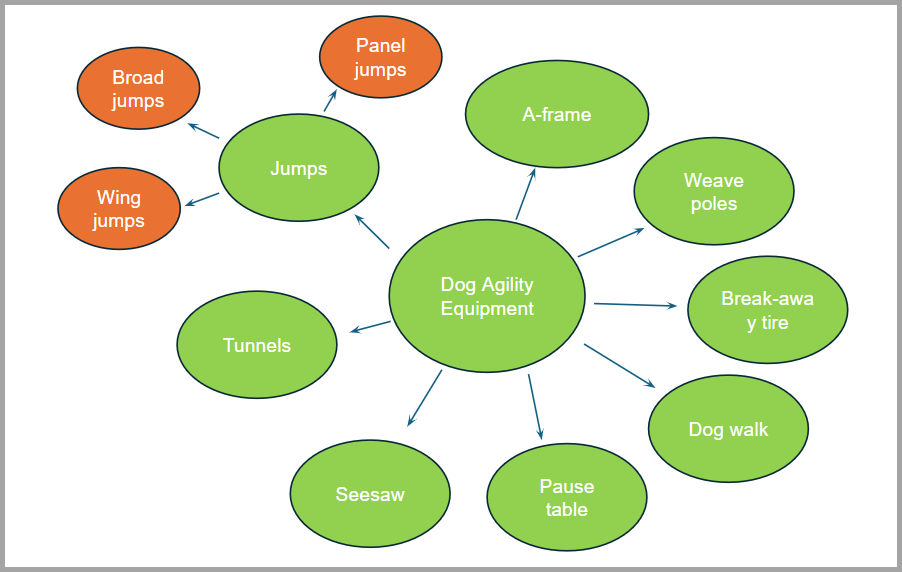
Tips for writers:
- Center your post on a “cluster topic” (the hub).
- Cover related subtopics—even if they don’t directly tie to products/services—because complete coverage strengthens authority.
- Check what’s already on the site. If a subtopic hasn’t been covered yet, your post could fill that gap.
- Subtopics can grow into their own full posts later, giving you fresh writing opportunities.
2. Add Q&A or FAQs Where Relevant
Including questions and answers makes your post more likely to be used in AI responses and featured snippets.
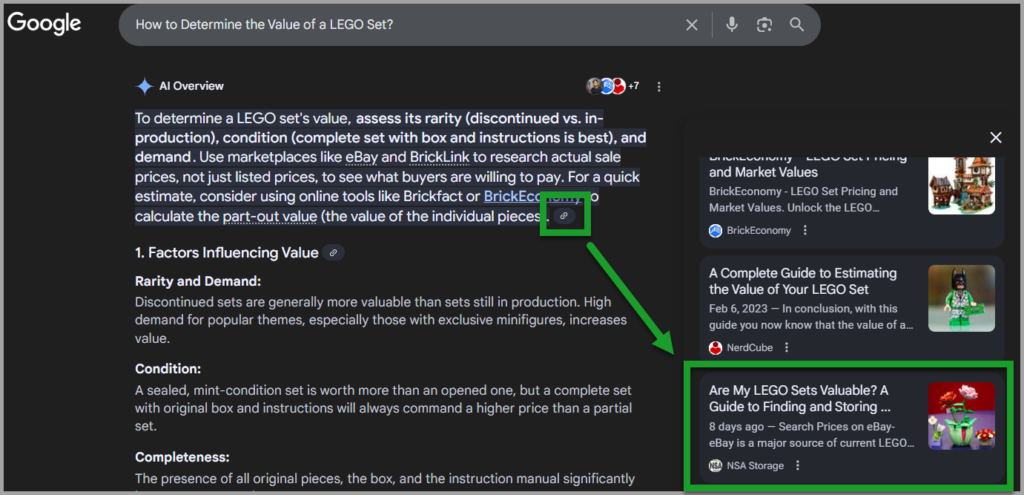

As you can see in the examples above, including questions and answers in a blog post can contribute to being featured in question & answer snippets—even if the question varies slightly from the one being queried.
Best practices:
- Add a short FAQ section at the end of posts, or key takeaways at the top (bulleted/numbered).
- Write questions exactly as a user might search for them.
- Repeat the question in the answer.
- Example: What is a crash cart? A crash cart is …
- Use an accordion format (question visible, answer expandable) when possible for easy reading.
3. Keywords That Work
Keywords are still important—but how you use them matters.


Use your targeted keyword phrase in the blog post title, in the opening paragraph, and sprinkled throughout the rest of the post.
- Pick one targeted keyword phrase for the post.
- Place the exact phrase in:
- The blog post title
- The opening paragraph
- At least once more in the body
- Sprinkle in natural variations throughout, especially in subheadings.
4. Linking That Feels Natural
Links add credibility and improve visibility, but balance is key.
Internal links (to your own site):
- Link to both blog posts and static pages.
- Use natural anchor text that clearly signals what the reader will find.
- Avoid linking to the same page more than once in the same article.
- Vary the wording of anchor text across posts (don’t always link with the same phrase).
External links (to other sites):
- Use them mainly for statistics, research, or lesser-known facts.
- Choose reputable, current sources.
- Never link to content behind a paywall.
- Don’t link to the same site multiple times in one article.
Link quantity:
- Roughly 1–5 links per 1,000 words.
- 5–10 for a 2,000-word post.
5. Ideal Blog Length
There’s no single “perfect length”—it depends on your topic and goals.
- Short (300–600 words): Quick updates, announcements, familiar topics.
- Mid-length (600–1500 words): Informative pieces, listicles, posts with moderate depth.
- Long (1500–2500+ words): Guides, comprehensive resources, content designed to build authority and rank well in search.
6. Format for Easy Reading
Readers (and search engines) love content that’s structured and skimmable.
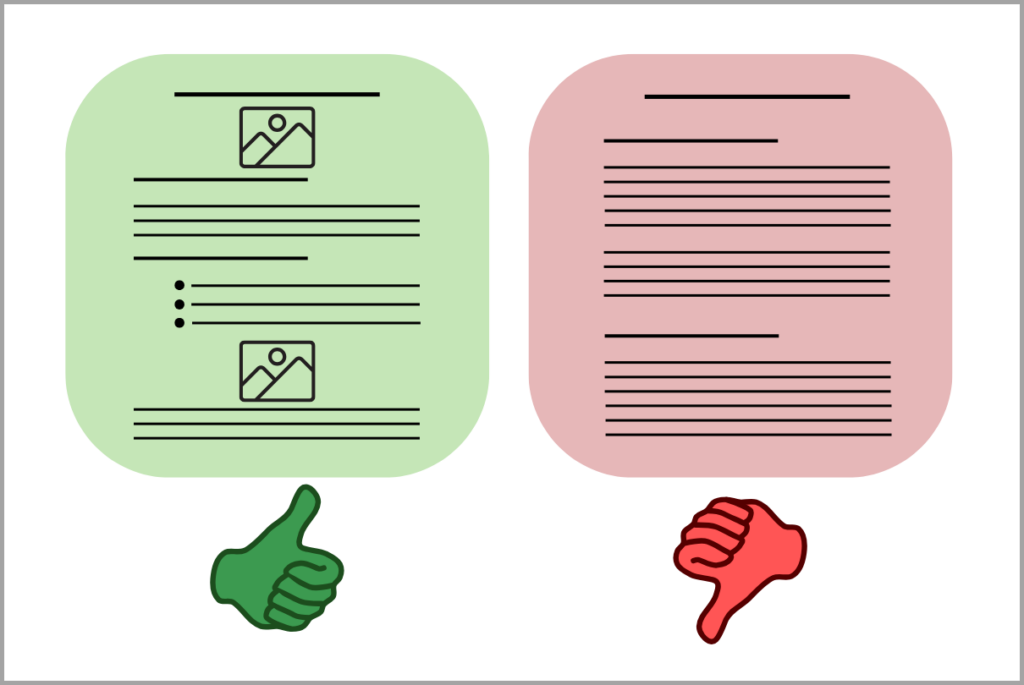
- One H1 (the title).
- Use H2s for main sections.
- Use H3s for subsections under an H2.
- Turn lists or multipoint paragraphs into bulleted or numbered lists when possible.
- Keep paragraphs brief and focused on one idea
- Use at least one image per blog post; more for longer posts
Beyond the Blog: Boosting Visibility Everywhere
AI pulls content from more than just websites. Consistency matters—your brand’s story should align across all platforms. Strong signals can also come from:
- Social media posts
- Wikipedia references
- Professional associations and memberships
- Trade shows and speaking engagements
- Partnerships with resellers
- Mentions in regulatory/industry agencies
In summary: Write for people first, but with AI and SEO in mind. Cover topics thoroughly, structure posts for readability, add natural keywords and links, and always think about what questions your audience is asking.
Remember: you’re not on your own.
Top Of The List can help you with one or more of the following for your organization:
- Write complete blog posts
- Identify topic clusters and subtopics worth covering
- Choose targeted and related keywords to maximize your blog’s visibility
- Optimize with schema markup
- Audit or review existing blog posts for SEO and AI
- Re-work existing, older blog posts into new posts
Contact us to help your blog posts become more visible in both AI and on search engines!
FAQ: Blog Writing for SEO and AI Visibility
A topic cluster is a method of organizing blog content where a main topic (the “hub”) is supported by related subtopics (the “spokes”). This structure helps search engines understand the depth and breadth of your content, improving your site’s authority and visibility.
FAQs increase the chance of your content being featured in search engine snippets and used in AI-generated answers. Including clearly written questions and answers helps algorithms quickly identify relevant information.
Place your main keyword in the blog post title, the first paragraph, and at least once more in the body. Also include natural keyword variations, especially in subheadings, to help with search engine relevance.
Aim for 1-5 links per 1,000 words. For a 2,000-word post, include 5-10 total links. Use internal links to connect to related posts or static pages, and external links to reputable, non-paywalled sources.
The ideal blog post length depends on the topic and purpose:
- 1,500-2,500+ words: In-depth guides or authority-building posts
- 300-600 words: Quick updates or news
- 600-1,500 words: Informative content or listicles
Use one H1 (title), H2s for main sections, and H3s for subpoints. Break up text with short paragraphs, bullet points, and numbered lists. Include one or more images per post, depending on length and helpfulness to the reader. Skimmable content performs better for reader engagement and search engine visibility.
Yes. AI platforms pull content from blogs, websites, and other public sources. Posts that answer questions clearly and follow structured formatting are more likely to be used in AI-generated answers.
Blog posts should link to reputable, current sources such as academic studies, government websites, or well-known industry or statistical collection organizations. Avoid paywalled content and low-authority websites.
About the Author

Founder & President, Top Of The List
Bev founded Top Of The List in 2006 and has over 25 years of experience working with technology. In her free time, she competes in dog agility competitions with her dogs, Finn, and Chloe.